🔥 20% OFF men's, women's and kids' jackets 🎯 Code: JACKET20 | Valid on full-price items only.

Categories


How to Choose the Right Binoculars – A Practical Guide

Friday, 02 January 2026
How to Choose the Right Binoculars – A Practical Guide

The right choice of binoculars depends on how you plan to use them, the type of construction, magnification, and optical features. In this guide, you will learn how to choose binoculars step by step.

Binoculars are optical devices designed to observe distant objects, bringing them closer to the eye. They are commonly used by hunters, hikers, and nature observers.
When choosing binoculars, it is important to understand the basic terms and specifications, which will help you select the right type of binoculars for your intended use.

1. Decide Whether You Want a Monocular or Binocular

The basic classification of binoculars is based on the method of observation:

🔹Monoculars

  • Designed for viewing with one eye
  • Compact size
  • Ideal for carrying in a pocket or backpack
  • Perfect for those who want a binocular always at hand

Larger monoculars with a tripod are suitable for:

  • Birdwatching
  • Observing hits on a target during shooting competitions

🔹Binoculars

  • Allow viewing with both eyes
  • Provide a more comfortable and natural image
  • Generally better for extended observation

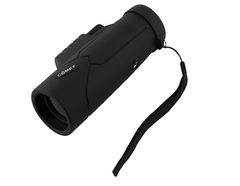
Monocular COMET PRO ONE 10 x 40
Last piece
0 / 5
Compact monocular from COMET with case and 10 x 40 parameters.
DA022

Monocular COMET PRO ONE 10 x 40

Availability
In Stock: 1
Availability: in stock
Availability
In Stock: 1
Availability: in stock
19,19€
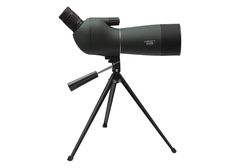
Observation monocular COMET 20-60 x 60
Last piece
0 / 5
COMET monocular with tripod at an excellent price!
DA018

Observation monocular COMET 20-60 x 60

Availability
In Stock: 1
Availability: in stock
Availability
In Stock: 1
Availability: in stock
81,90€
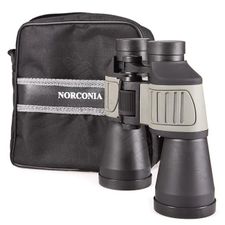
Binoculars Norconia 7 x 50 New classic
Promotion
Save: 11 %
5 / 5 1
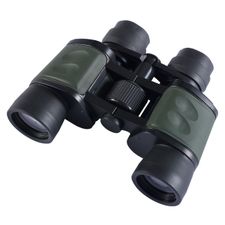
Classic binoculars Norconia with good optics and rubber and anti-impact surface
DA002

Binoculars Norconia 7 x 50 New classic

Availability
In Stock: 24
Availability: in stock
Availability
In Stock: 24
Availability: in stock
54,12€ 60,68€
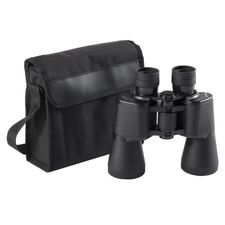
Binoculars Diana 7 x 50 Porro, Bino
Promotion
Save: 18 %
0 / 5
Lens diameter 50 mm, dioptric correction +/- 3, 7x zoom, field of view 119/1000 m.
DA012

Binoculars Diana 7 x 50 Porro, Bino

Availability
In Stock: 3
Availability: in stock
Availability
In Stock: 3
Availability: in stock
47,23€ 57,40€

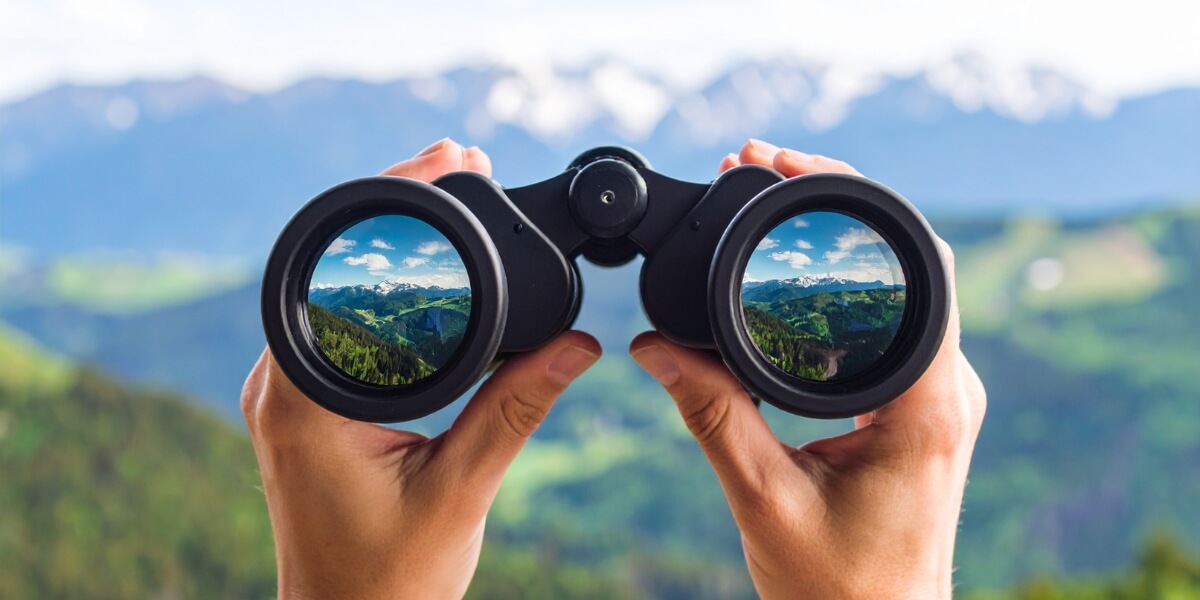
Ako si vybrať správny ďalekohľad – praktický návod - ilustračný obrázok Zdroj obrázka: canva.com

2. Understand Basic Specifications (e.g. 10 × 40, 8 × 30)

A good idea of a binocular's size and magnification can be obtained from the technical specifications listed in its name.

What does 10 × 40 mean?

  • The first number (10×) indicates the magnification
    • An object 1,000 meters away will appear as if it were about 100 meters away
  • The second number (40) indicates the diameter of the objective lens in millimeters

➡️ A larger objective lens:

  • Provides better light transmission and a clearer image
  • Also means a larger size and heavier binoculars

3. Don’t Confuse Magnification with Quality

A common misconception is that the higher the magnification and the larger the objective lens, the better the binoculars.

However, the quality of a binocular depends mainly on:

  • The manufacturing process
  • The type of lenses used
  • Anti-reflective coatings
  • Finish and overall build quality

For regular nature observation (e.g., a meadow 500–1,000 meters away), the following is usually sufficient:

  • 7× or 10× magnification

At higher magnifications:

  • Even small hand movements can destabilize the image
  • Observing becomes less comfortable

➡️ So, a higher magnification does not automatically mean a better viewing experience.

4. Consider Whether You Need a Zoom Function

Binoculars with a zoom function allow you to manually adjust the magnification within a specific range.

Example:

  • A binocular labeled 10–50× lets you smoothly adjust the magnification from 10× up to 50×.

This feature is useful if you want to:

  • Change the observation distance according to the situation

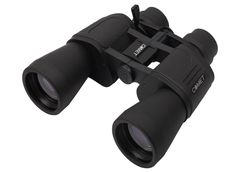
COMET tourist binoculars with a modern design and parameters of 10-60 x 70.
DA023

Binoculars COMET PRO ZOOM PLUS 10 - 60 x 70

Availability
Currently unavailable
Availability: temporarily unavailable
Availability
Currently unavailable
Availability: temporarily unavailable
38,87€
GAMO binoculars with 7-21 x adjustable zoom and 40 mm lens diameter.
DA011

Binoculars Gamo 7 - 21 x 40 Zoom

Availability
Currently unavailable
Availability: temporarily unavailable
Availability
Currently unavailable
Availability: temporarily unavailable
51,15€
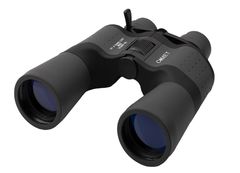
COMET tourist binoculars with ZOOM function (adjustable zoom in the range of 10 - 50 x).
DA020

Binoculars COMET PRO ZOOM 10 - 50 x 40

Availability
In Stock: 2
Availability: in stock
Availability
In Stock: 2
Availability: in stock
34,90€
Binoculars COMET PRO ZOOM 10 - 60 x 70
Last piece
0 / 5
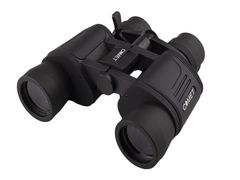
COMET tourist binoculars with adjustable zoom from 10-60 x and a lens diameter of 70 mm.
DA021

Binoculars COMET PRO ZOOM 10 - 60 x 70

Availability
In Stock: 1
Availability: in stock
Availability
In Stock: 1
Availability: in stock
41,57€

5. Pay Attention to Additional Features and Properties

When choosing binoculars, other technical details are also important:

  • AUTOFOCUS – automatically focuses the image
    • Standard binoculars require manual focusing using a focus wheel
  • Diopter Adjustment – allows people with weaker vision to customize the focus
  • Field of View – indicates the width of the area visible when looking at a point 1 km away
    • The higher the magnification, the narrower the field of view
  • Rubber Coating – protects the binoculars from mechanical damage
  • Anti-Reflective Coatings – reduce light reflections and improve image brightness and contrast

6. Choosing Binoculars by Use – Quick Overview

  • Pocket binoculars / monoculars → compact, easy-to-carry models
  • Hiking and trips → 8 × 40, 7 × 50, 10 × 50
  • Long-term observation → large monocular binoculars with a tripod
  • Hunting → rubber-coated models for increased durability

Conclusion

The right choice of binoculars depends on how you plan to use them, the desired comfort, and technical specifications.
In our selection, you will find affordable and high-quality:

  • Tourist, hunting, and observation binoculars
  • Monocular and binocular models
  • Binoculars with autofocus and zoom functions

Available brands: DIANA, NORCONIA and COMET.

Browse Binoculars →

Frequently Asked Questions (FAQ)

What is the difference between a monocular and binocular?

A monocular is designed for viewing with one eye and is compact, making it easy to carry in a pocket or backpack. Binoculars allow viewing with both eyes, providing a more comfortable and natural image, and are generally better for extended observation.

What does a 10×50 binocular mean?

The first number (10×) indicates the magnification – an object 1,000 meters away will appear as if it were about 100 meters away. The second number (50) indicates the diameter of the objective lens in millimeters. A larger objective lens provides better brightness and a clearer image but also increases the size and weight of the binoculars.

Is higher magnification always better?

No. Too much magnification can cause image instability when holding the binoculars by hand. For regular nature observation, 7× to 10× magnification is usually sufficient. Image quality depends primarily on the type of lenses, anti-reflective coatings, and overall construction.

What is the purpose of the zoom function in binoculars?

The zoom function allows you to manually adjust the magnification within a specific range. For example, binoculars labeled 10–50× allow smooth adjustment from 10× to 50× magnification.

What does the field of view of binoculars mean?

The field of view indicates the width of the area you can see when looking at a point 1 km away. Higher magnification narrows the field of view, reducing the overall visible area.

Which binoculars are suitable for hiking or hunting?

For hiking, binoculars with specifications such as 8×40, 7×50, or 10×50 are recommended. For hunting, rubber-coated binoculars are preferred for increased durability and protection against mechanical damage.

Automatically generated translation


Add new comment

...

Add reply to comment:

... Cancel


Full (Desktop) version